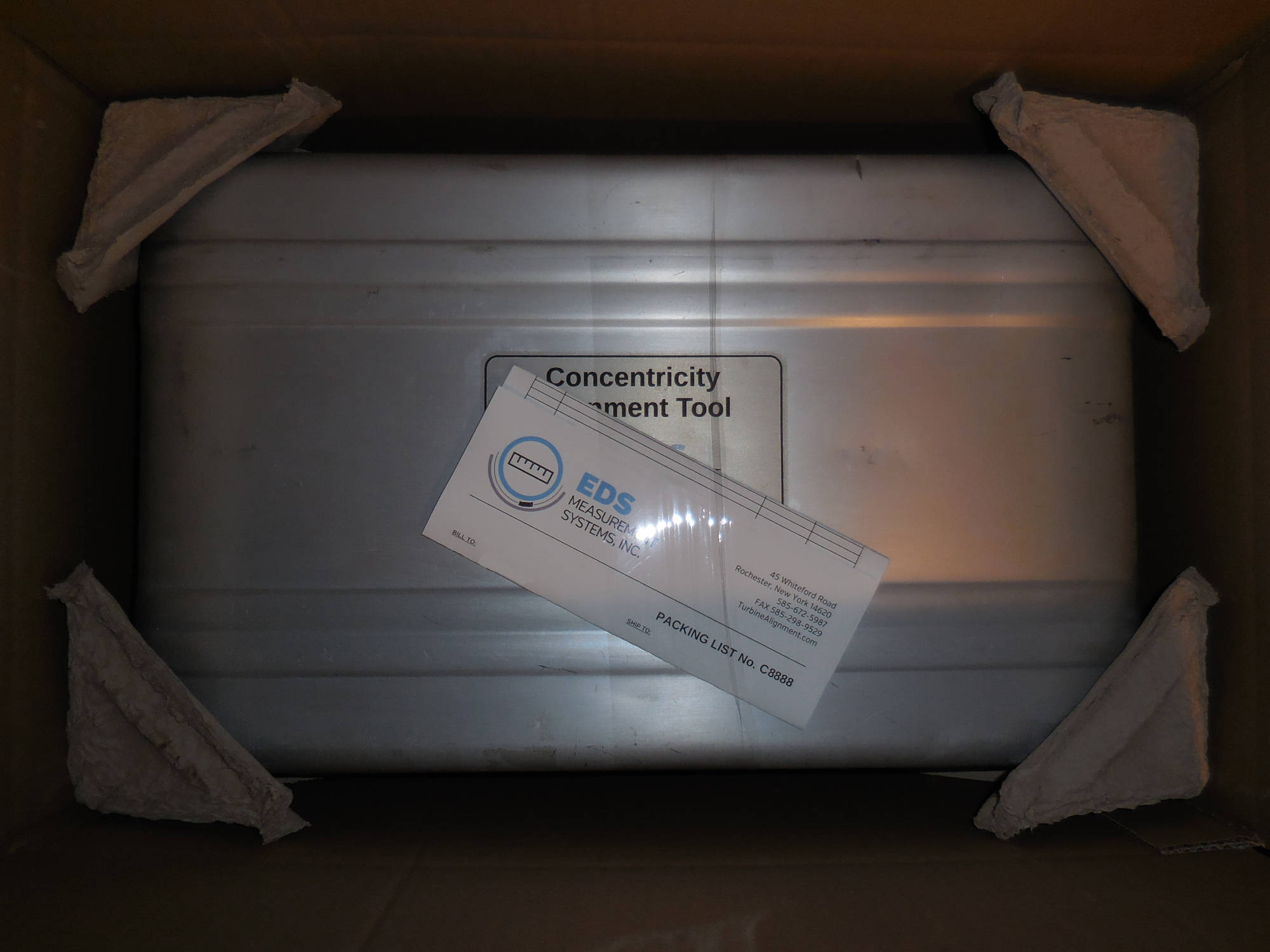
Our repair and calibration services of our ERAG, the Concentricity Alignment Tool (CAT) depend on a detailed inspection of the equipment. Once reviewed, we can provide an exact estimate for the repair and recalibration of your tool. For reference, this is generally in the $2,000 range, but will be more if we find damaged parts.
We are the only authorized repair center for these tools. Unlike a calibration shop that may be able to confirm if the tool measures within specifications, we perform a thorough assessment. The goal is not only to ensure the accuracy of measurements, but to identify and correct problems before they cause a failure in the field. We also maintain our calibration equipment and have it calibrated, traceable to NIST standards.
Please contact us with the serial numbers on a tool, and we can tell you the last time it was maintained.
Initial Assessment and Examination
- Perform a cursory examination to find any obvious signs of damage.
- Prepare the heads with the default rub-bars to perform a calibration check.
- Check the supplied batteries and use replacements if they are depleted.
Calibration Check
- With each of the heads, we perform the calibration process without making adjustments to get a baseline. The results of this check are included with the calibration certificate.
- If the calibration is close, we would recommend a basic recalibration, but if it is far out of calibration or aberrant, we recommend a comprehensive recalibration.
- Check to ensure the lever arm readings are within range on each side to test if the lever arm is bent.
Dismantle and Check Heads
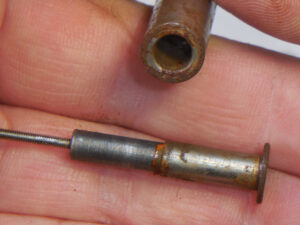
- Check the body of the head for physical damage that may impact its accuracy or free operation.
- Check that the tape measure attachment clip is in good working order.
- Examine the rub bars for excessive wear or scratches that would impact their dimensions.
- Dismantle each head to make sure all the internal components are assembled correctly and in good working order.
- Check for corrosion on the internal parts.
- Check the electrical transducer for damage.
- Look for damage in the cable. Cut insulation can lead to corrosion and weakness. Severely pinched or crushed sections can cause conductors to short out our break.
Check the Power Supply
- Measure the internal voltages to ensure they are within range, and that they have not changed from the previous maintenance cycle.
- Check if the internal adjustments were changed from the previous maintenance cycle.
- Examine the dynamic electrical responses to ensure they meet specifications.
- Physically examine the 15-pin connector for damage or excessive wear.
Check Accessories
- Collect any loose parts in the carrying case.
- Return the accessory plates to their standard configuration, then check for missing, worn, or damaged parts.
- Check the sideplate shims for missing pieces and any creases or damage that change their thickness.
- Examine the rub bars for excessive wear or scratches that would impact their dimensions.
- Examine the tape measures, checking that they are working adequately, and that the hooks are not damaged and will latch correctly into the tape measure clips on the heads.
- Reset the extra-length screw plate to its standard configuration and check for missing or damaged screws.
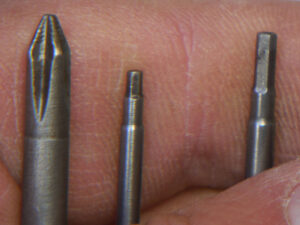
- On the hand tools, make sure that they are not damaged, and that the hex tips are not worn down.
Create a Quote
- Identify any major issues and call them out.
- List all the parts to be replaced.
- Provide an accurate cost to bring the CAT back to factory specifications.

Leave a Reply